



Shipping guide
Dimensional weight explained
Updated October 14, 2026
If a light parcel ever cost more than you expected, dimensional weight is usually why. Couriers charge for the space a parcel takes up, not just the reading on the scale. Once you understand how it works, you can pack smarter and pay less.
What dimensional weight is
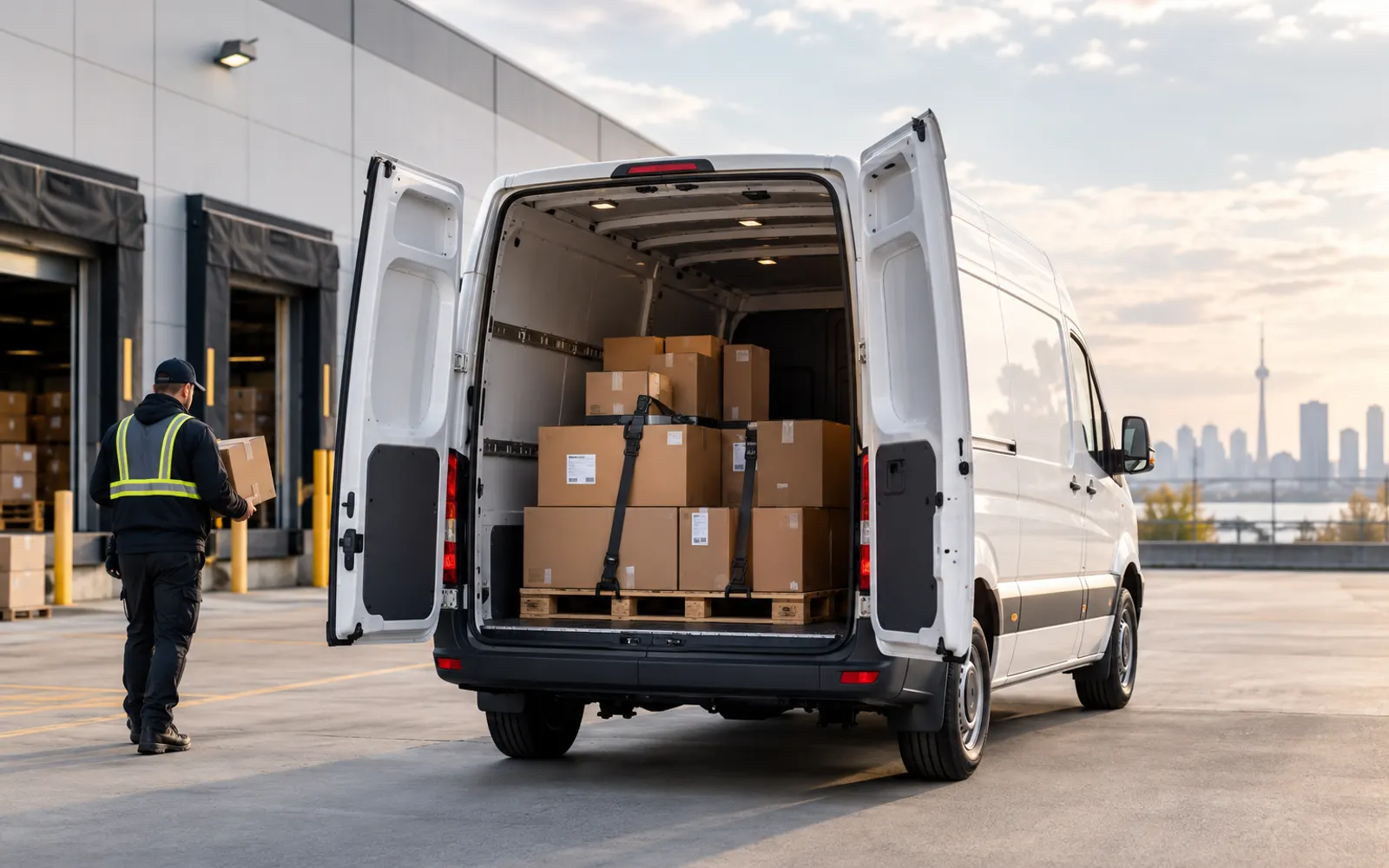
Dimensional weight, also called volumetric weight, is a pricing method that reflects how much room a parcel takes on a vehicle or aircraft. Space is limited, so a big, light box effectively costs the carrier the same as a smaller, heavier one, and pricing accounts for that.
You are charged on the greater of the actual weight and the dimensional weight. For dense, heavy items the actual weight usually wins; for large, light items like bedding, pillows or soft toys, the dimensional weight is higher and sets the price.
How to calculate it
Measure the outer length, width and height of the packed box in inches, rounding each measurement up to the nearest inch. Multiply them together and divide by 139 to get the volumetric weight in pounds, then divide by 2.2 to convert pounds to kilograms.
For example, an 18 x 18 x 18 inch box works out to 5,832 divided by 139, which is 41.96 lbs, or 19.07 kg after dividing by 2.2. If the contents weigh only 9 kg, you would be billed on 19.07 kg. Measuring your box and running this sum before you ship tells you which weight you will pay on.
- Charged on the greater of actual or dimensional weight
- Formula: (L x W x H in inches) ÷ 139 = lbs, then ÷ 2.2 = kg
- Example: 18 x 18 x 18 inches = 41.96 lbs (19.07 kg)
How to reduce your shipping cost
The fix is simple: reduce the empty space. Use the smallest sturdy box that still protects the contents, and avoid shipping air. Right-sizing the box is often the single biggest saving you can make on a parcel.
For soft or squashable items, compact packing helps. For very large but light shipments, it can be cheaper to split into two smaller parcels, or to compare a freight option. If you tell us what you are sending, we will suggest the most cost-effective way to pack and ship it.
- Use the smallest box that still protects the contents
- Remove void space instead of padding it out
- For big, light loads, compare splitting or freight
When actual weight is used instead
Not every parcel is priced on dimensional weight. Dense, heavy items in a small box, such as books, tools or bottled goods, usually weigh more than their volumetric figure, so you pay on the actual weight. Documents and small, heavy parcels rarely trigger a dimensional charge at all.
The rule never changes though: it is always the greater of the two. Knowing which applies to your parcel means no surprises when you get the price.
Get a clear price up front
We agree a clear, flat price before we collect, so you know the cost up front rather than being surprised by a dimensional charge later. If you are not sure how your parcel will be measured, send us the dimensions and weight and we will confirm the price and suggest ways to bring it down.