



Shipping guide
Understanding customs, duty and clearance
Updated October 14, 2026
Customs is where most international shipping delays happen, and almost all of them are avoidable. Once you understand what customs checks, how duty and tax work, and which documents you need, clearing a parcel becomes straightforward. Here is the plain-English version.
What customs clearance is
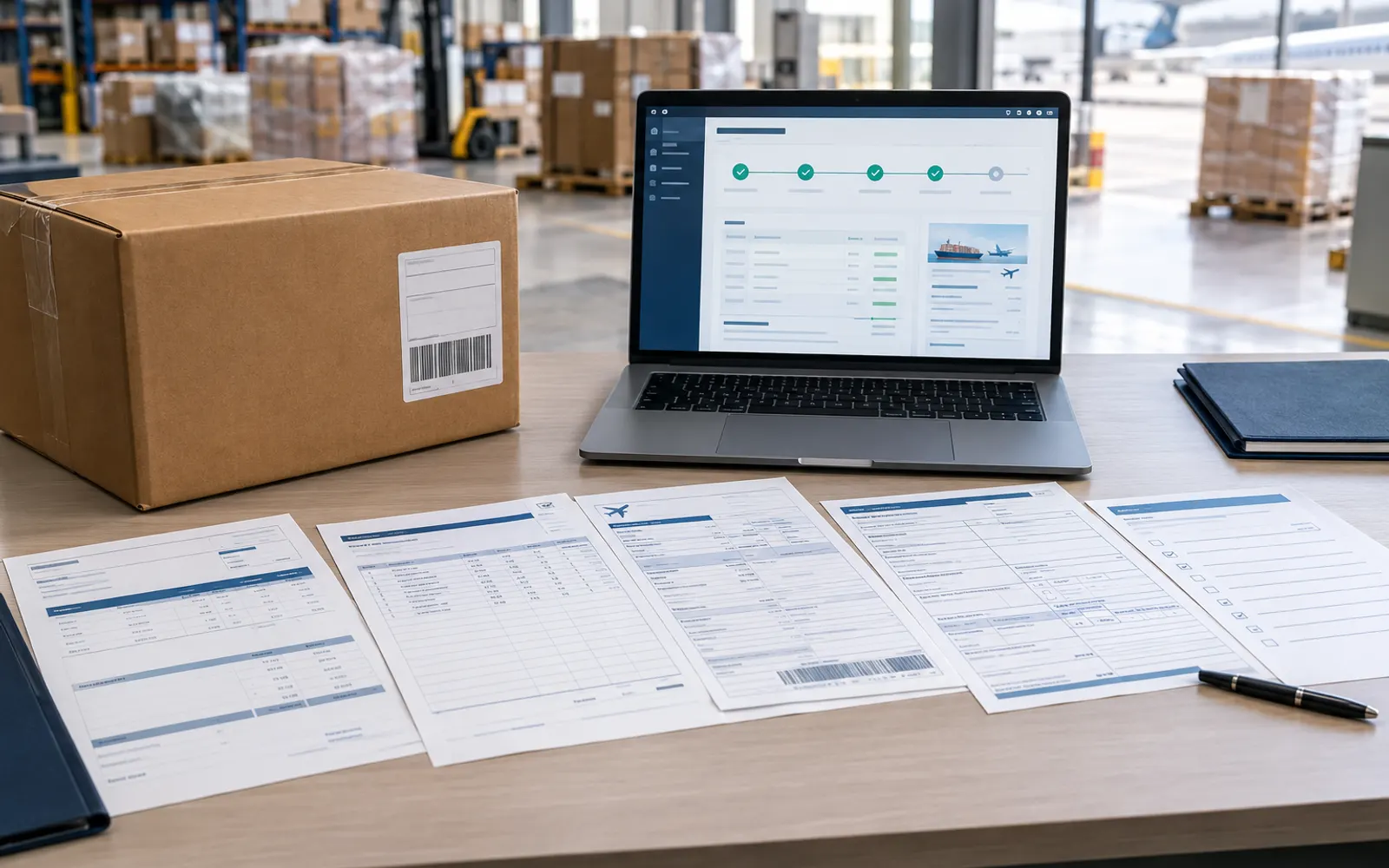
Customs clearance is the process every international shipment goes through as it leaves one country and enters another. Authorities check what is inside, confirm it is allowed, and assess any duty or tax owed based on the declared contents and value.
Clearance happens on both sides: export clearance in the sending country and import clearance in the destination. Most of the time it is quick and automatic; it only slows down when paperwork is missing, inaccurate or flagged for a closer look.
Duty and tax: what is the difference?
Duty is a charge on imported goods, set by the destination country and based on what the item is and what it is worth. Tax, such as GST or VAT, may also apply on top. Both are set by the government of the destination, not by the courier, so they are the same whoever ships your parcel.
Documents are usually duty-free. Gifts may be exempt up to a value threshold that varies by country, while commercial goods almost always attract duty. Knowing roughly what applies helps you and your receiver avoid surprise charges on delivery.
- Duty: set by the destination country, based on item and value
- Tax (GST/VAT): may apply on top of duty
- Documents usually duty-free; commercial goods usually dutiable
The documents you need
Most international parcels travel with a commercial or proforma invoice and a customs declaration describing the contents, quantity and value. Commercial shipments may also need certificates of origin or licences depending on the goods.
Some countries add their own requirement. India, for instance, asks for the receiver's KYC (ID such as an Aadhaar card, passport, PAN card or voter ID) on most non-document parcels, and an IEC for applicable commercial shipments. Having the right documents ready before you ship is the single biggest thing that keeps a parcel moving.
- Commercial or proforma invoice with contents and value
- Customs declaration matching the invoice
- Any country-specific ID or licence (e.g. India KYC)
Why parcels get held (and how to avoid it)
The usual reasons for a hold are an inaccurate or vague declaration, an under-declared value, missing ID or documents, or restricted contents. Declaring honestly and in detail, and having documents ready, prevents almost all of these.
Under-declaring value to reduce duty is a false economy: it commonly causes delays, penalties or a returned parcel that costs far more than the duty saved. An accurate declaration is the fastest, cheapest route through customs.
- Vague or inaccurate declarations
- Under-declared value
- Missing ID, documents or licences
- Restricted or prohibited contents
Incoterms: who pays for what
Incoterms® define the responsibilities of buyers and sellers for shipping costs, risk, delivery and customs clearance. Agreeing the right term with your buyer or supplier before you ship settles who arranges and pays for each stage, including import duties.
- EXW (Ex Works): the buyer collects the goods from the seller
- FCA (Free Carrier): the seller hands the goods to the nominated carrier
- FOB (Free On Board): the seller loads the goods onto the vessel
- CFR (Cost and Freight): the seller pays freight to the destination port
- CIF (Cost, Insurance and Freight): the seller pays freight and insurance to the destination port
- CPT (Carriage Paid To): the seller pays transport to the named destination
- CIP (Carriage and Insurance Paid To): the seller pays transport and insurance
- DAP (Delivered at Place): the seller delivers; the buyer handles import duties and clearance
- DPU (Delivered at Place Unloaded): the seller delivers and unloads the goods
- DDP (Delivered Duty Paid): the seller handles delivery, import clearance and applicable duties
- FAS (Free Alongside Ship): the seller places the goods alongside the vessel
How Smart Save handles it for you
As part of a full logistics group, Smart Save can arrange customs clearance for imports and exports as well as courier and freight. We prepare the paperwork, declare your shipment accurately, and guide your receiver through anything the destination needs, such as India's KYC, so parcels clear without the back-and-forth.
If you have a shipment coming or going and are unsure about the customs side, call us and we will walk you through exactly what is needed.